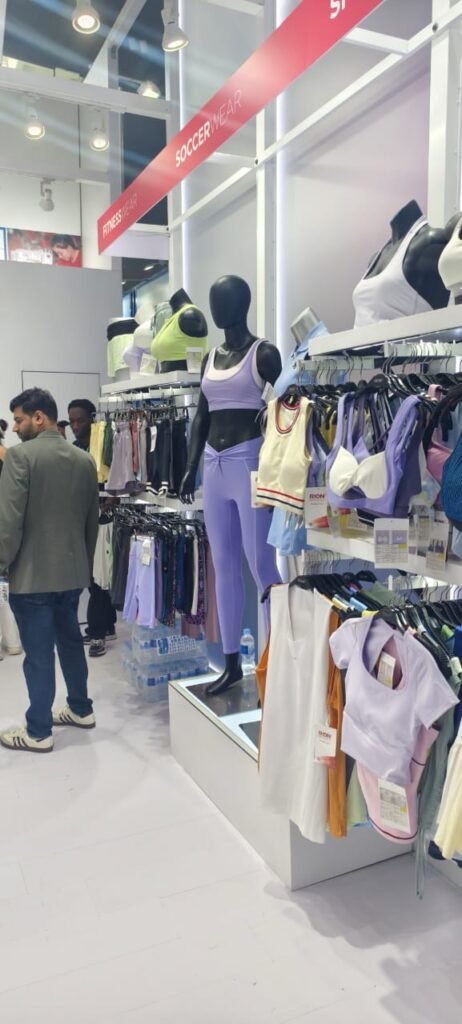
Recently, I worked with an Indian client who runs an activewear business in Dubai, and his request caught me off guard: he wanted to visit 6 clothing factories in a single day. My first thought? “Is that even possible?” Spoiler: It wasn’t—but the journey was full of surprises, heartwarming moments, and a powerful reminder of why eco-friendly fashion is gaining momentum. Most of the clothing manufacturers we planned to visit are in Dongguan, which added a bit of travel time between each stop.
First, let me tell you a bit about this client—he’s not an average buyer. He’s deeply passionate about sustainability, and his Dubai-based activewear brand focuses on recycled fabric activewear, targeting the mid-to-high-end market. When we first chatted, he told me something that stuck with me: “Pollution is everywhere, and fashion is one of the biggest culprits. I don’t want to contribute to that—I want to build a brand that’s kind to the planet.”
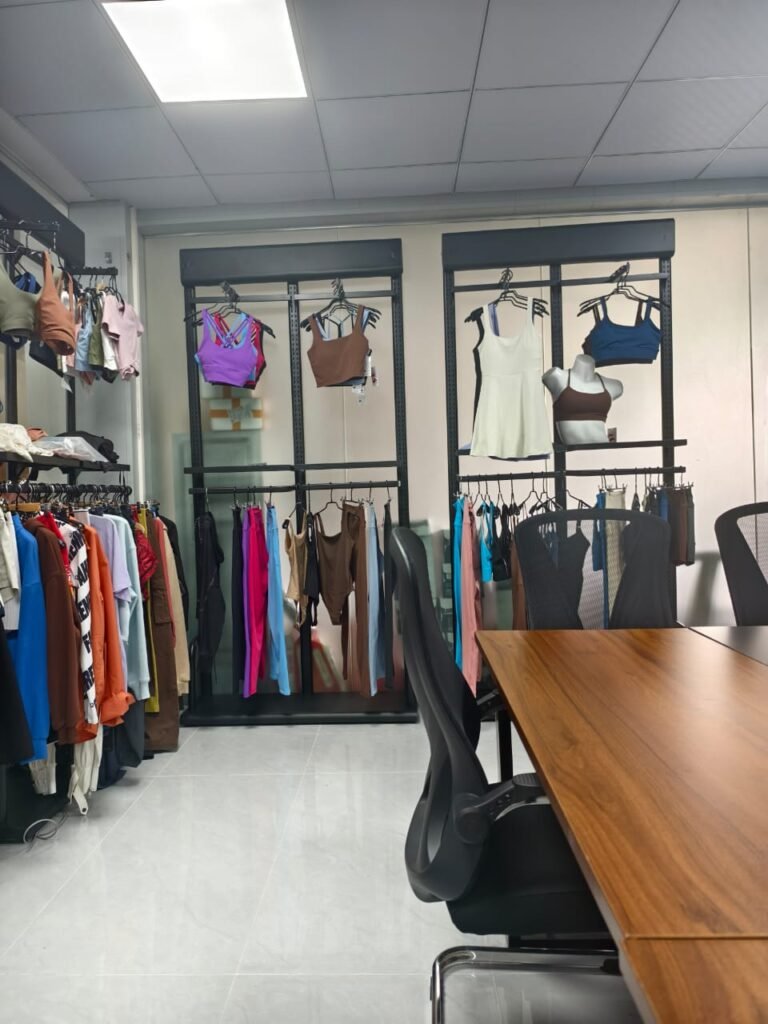
What made this even more special? He’s the second client I’ve worked with who’s fully committed to eco-friendly products. It’s inspiring to see more and more business owners prioritizing sustainability over quick profits. For too long, fast fashion has dominated the industry, but clients like him are proving that ethical, eco-conscious brands can thrive—especially in the mid-to-high-end segment, where consumers are willing to pay more for quality and purpose.
When he told me his plan to visit 6 factories in one day, I was skeptical. He explained he only planned to spend 10 to 20 minutes per factory—no long meetings, no detailed negotiations, just a quick on-site check. I nodded along, but in my head, I knew factory visits rarely go that quickly. Most factories have protocols, tour routes, and team members ready to showcase their facilities—and 10 minutes is barely enough to walk through a production line, let alone get a feel for their operations.
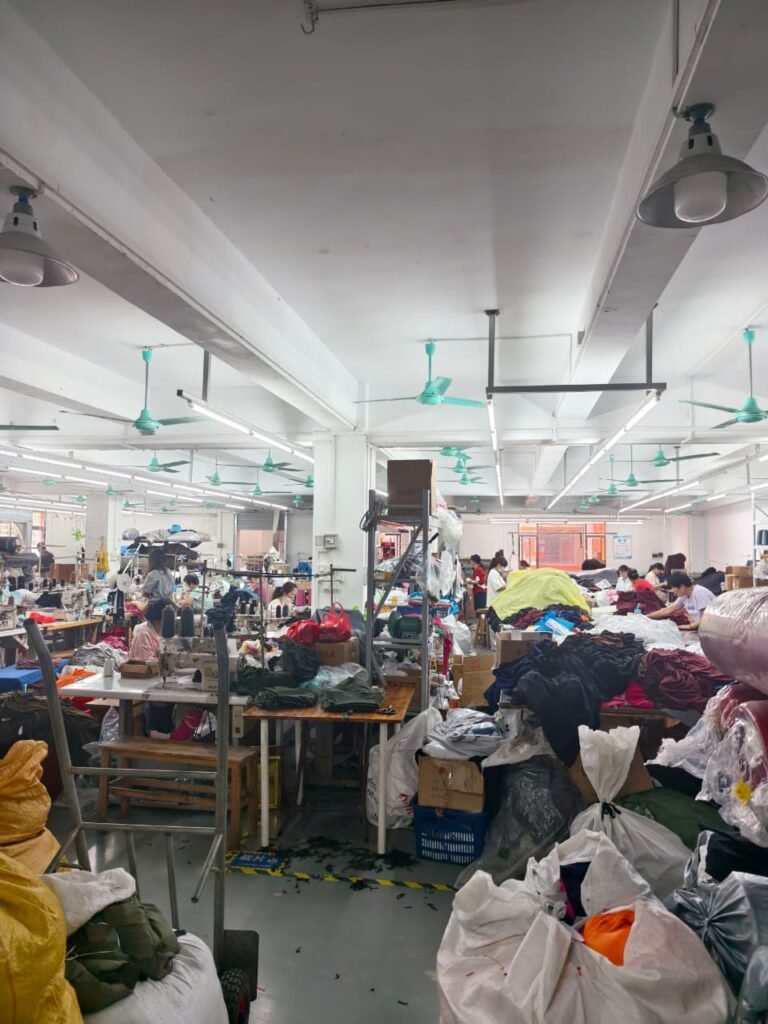
Sure enough, our first factory visit set the tone. What was supposed to be a 15-minute stop turned into a full hour. Why? Because this client is meticulous—even though he already had an existing partnership with the factory (turns out, several of the 6 clothing factories were his long-term suppliers), he wanted to see their recycled fabric production process up close. It wasn’t a “check the box” visit; it was a genuine effort to ensure his supply chain aligns with his brand’s sustainability values—critical for anyone doing clothing sourcing for eco-friendly activewear.
I quickly realized: he wasn’t visiting 6 factories to compare prices (a common misconception with buyers who plan multiple factory visits in one day). He just wanted to see his suppliers’ operations firsthand, confirm their commitment to sustainability, and strengthen those partnerships. That’s a refreshing change from the usual “price shopping” mindset—I loved that his focus was on quality, ethics, and alignment.
Additionally, don’t rely on English addresses from clothing factories for navigation—they frequently lead to inaccuracies. Always request the Chinese address and use Baidu Maps or Amap; both apps offer reliable navigation for industrial areas and small clothing factories, even in remote parts of Dongguan.
By the time we finished visiting the fourth factory, it was already 5:30 PM. The fifth factory was over an hour’s drive away, and we knew we would arrive well after the factory’s closing time—there was no point in making the trip when the staff would already be off work. So we made the call to cancel the fifth and sixth visits. In the end, we visited 4 factories—a far cry from the original 6, but still a productive day, especially given the unexpected travel time between clothing factories in Dongguan.
Final Thoughts
While visiting 6 factories in one day isn’t realistic, this client’s journey taught me something important: The rise of eco-friendly fashion is real. This client is proof that brands can be profitable while prioritizing the planet—and he’s not alone. As more buyers focus on recycled fabrics, ethical production, and sustainability, clothing manufacturers are also adapting to meet this demand. It’s a win-win: better for the planet, better for brands, and better for consumers who want to make responsible choices.