
Are you worried that your sourcing agent may be receiving a commission from the factory—and that you are paying for it through a higher product price?
You are not worrying about something unusual. Factory-paid commission is common in China sourcing. A factory wants the sourcing agent’s help to win your order, and the agent is naturally more likely to recommend a factory that rewards them. Even if the agent advertises a very low service fee, their main income may come from the factory after you place an order.
To protect your interests, you first need to understand the logic behind the commission. The factory is usually paying for an introduction and help securing the first order. Once you have visited the factory, established direct contact and completed that first purchase, the agent may have much less involvement in a repeat order. That gives you a practical opportunity to ask the factory whether it can stop paying the commission and offer you a better price on your second order.
A friend of mine who works for an intermediary company told me that commissions in the deals he sees are often around 1%–5%. That is one industry professional’s experience, not a universal market statistic. Still, it gives you a reasonable range for opening a price discussion—as long as you also compare the factory’s quotation with the current market price for the same specification.
If you do not want your sourcing agent to receive factory commission, say so before the supplier search begins, put the agreement in writing and keep direct access to every factory you seriously consider. This guide shows you exactly how to do that and how to recognize the signs that a commission may still be involved.
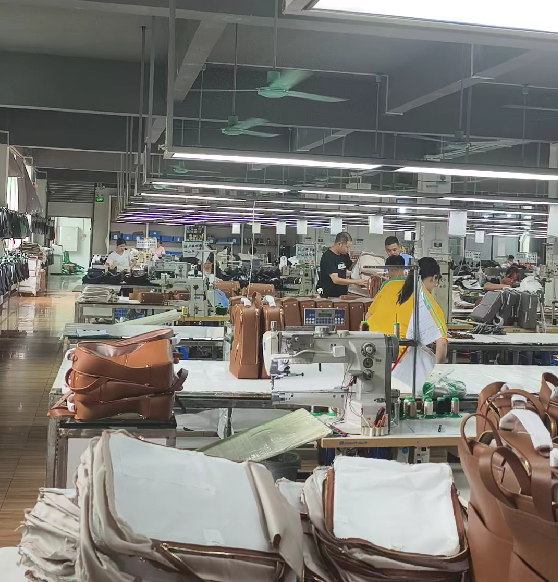
Why Do Factories Pay Sourcing Agents a Commission?
From the factory’s point of view, a sourcing agent can be an important source of new business. The agent introduces an overseas buyer, explains the project, translates requirements, arranges a factory visit and helps move the discussion toward an order.
The factory may therefore offer the agent a commission for bringing in the customer. The payment might be a percentage of the order, a fixed referral fee, a rebate after payment or a margin added to the buyer’s quoted price.
There is another important reason factories agree to this arrangement: a sourcing agent may be able to introduce new buyers repeatedly, not just once. From the factory’s perspective, the commission works much like a customer-acquisition or advertising cost. Instead of paying upfront for exhibitions, online advertising or a sales team without knowing whether those channels will produce an order, the factory rewards the intermediary after a referred customer buys. If the agent can continue bringing qualified overseas clients, the factory has a strong reason to maintain that relationship and keep paying commissions on successful introductions.
From the sourcing agent’s point of view, a factory commission can be more profitable than a small service fee paid by the buyer. Once the arrangement exists, the agent naturally has a reason to keep recommending that factory.
This creates two aligned incentives:
- The factory wants the agent to help secure the order.
- The factory treats the commission as a results-based customer-acquisition or “advertising” expense.
- The agent prefers to recommend factories that provide a financial reward.
This is why a buyer should not assume that a “free” or very inexpensive sourcing service has no cost. The fee may simply be paid on the factory side and included in the product price.
How Factory Commission Can Affect Your Price
Imagine that a factory can supply your product at RMB 100 per unit. If it has agreed to pay the sourcing agent a 5% commission, the factory might quote RMB 105 or more so that the commission does not reduce its own margin.
The exact amount is not always visible. It may be included in the unit price, tooling, packaging, domestic transport, inspection, handling, or a rebate paid after the buyer completes payment.
A higher quote does not prove there is a hidden commission. Specifications, quantity, tax treatment, quality standards and payment terms can also change a price. However, knowing that factory commissions are common gives you a reason to ask for transparency rather than accepting every quotation at face value.
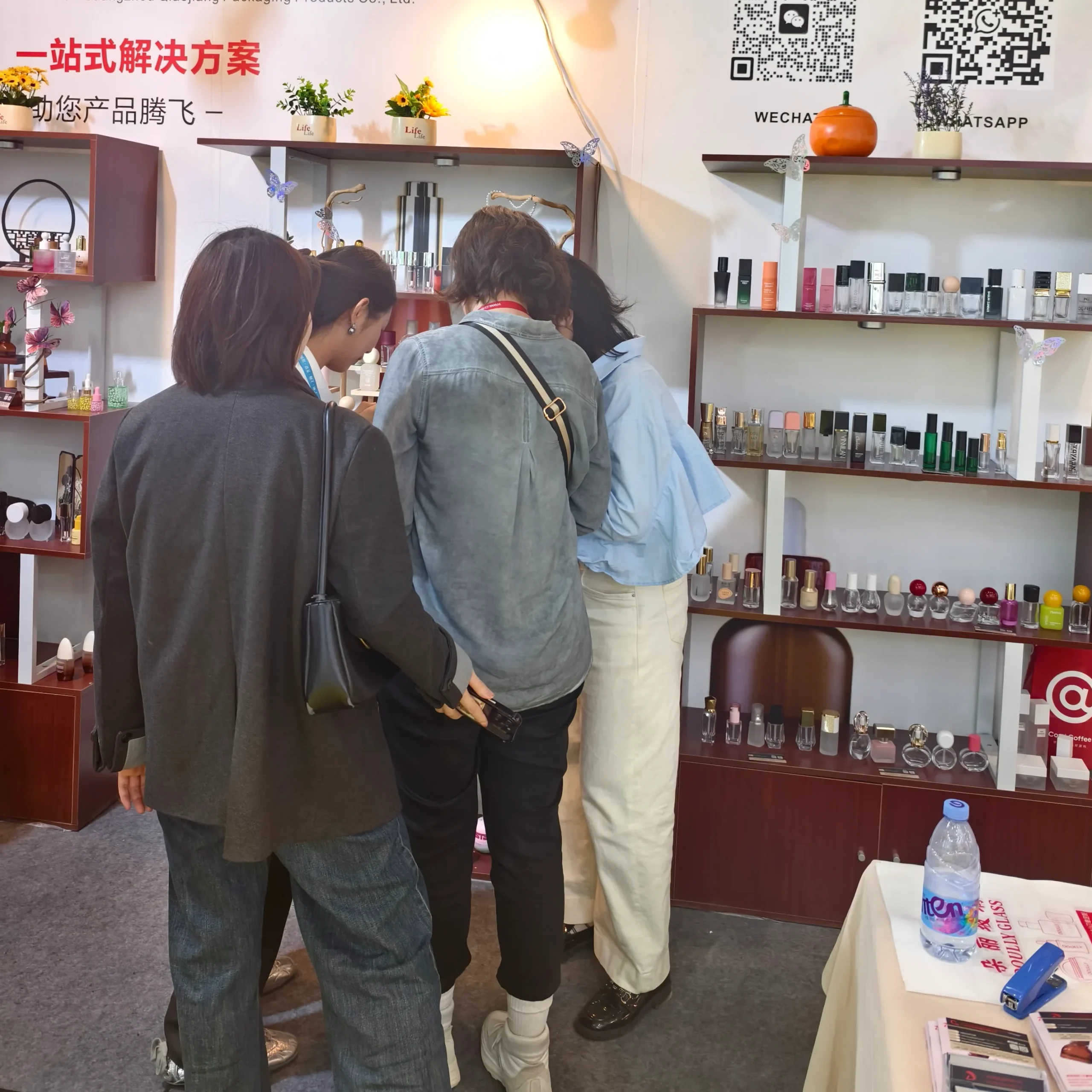
How to Stop a Sourcing Agent Taking Factory Commission
1. Agree on the rule before working together
Tell the sourcing agent clearly that you will pay the agreed service fee, but you do not want them to receive commissions, rebates or other benefits from factories..
2. Ask for each factory’s direct contact information
For every factory you are seriously considering, request:
- the full Chinese legal company name;
- contact person’s name and position;
- Whatsapp, email or WeChat details;
A sourcing agent can remain helpful while you communicate directly. The important point is that the agent should not control your only route to the supplier.
3. Speak directly with shortlisted factories after visiting them
After you have inspected a factory and decided that it may be suitable, create a new WeChat or WhatsApp group with the factory’s decision-maker. If you and the sourcing agent already agreed that there would be no factory commission—you do not need to include the agent in this separate price discussion.
You can tell the factory:
I have already agreed with my sourcing agent that they will not receive a commission from the factory. I will pay the agent separately for their work. If your current quotation includes an agent commission, please remove it and offer me your best direct price. Is it possible to reduce the price by 1–5%?
4. Use the second order as a new negotiation point
The factory may already have promised a commission to your sourcing agent for introducing you and helping secure the first order. The two sides may also have a long-standing relationship that the factory does not want to disturb immediately.
If the factory cannot change the first-order price, do not assume the conversation has failed. Ask:
If we place a second order directly under the same specifications, can you offer a better price?
The underlying logic matters here: the factory usually agrees to pay because the agent brought in the customer and helped turn the introduction into an initial purchase. By the second order, you may already understand the product, know the factory team and be able to communicate directly. If the agent is no longer doing order-related work, the factory has a stronger reason to stop paying that commission and retain you as a repeat customer with a better direct price.
This means the second order can offer a better chance of renegotiation than the first. Use current market quotations for the same product and specification as your main evidence. Depending on the market price, order size and factory margin, you can open the discussion by asking for a reduction of around 1%–5%.
That range is based on practical information shared with me by a friend who works for an intermediary company; it is not a guaranteed commission rate. Some arrangements will be lower, higher or structured differently. Ask what the factory can genuinely offer instead of assuming that a particular percentage must be available.
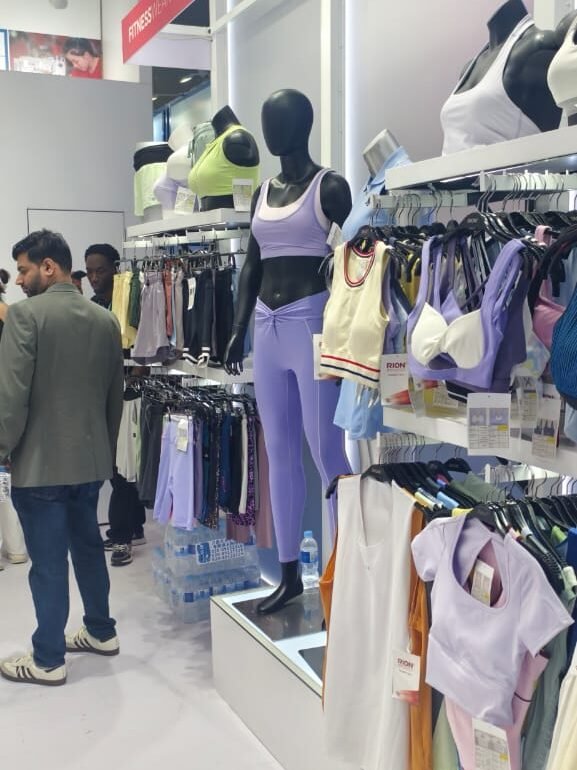
How Do You Know If a Sourcing Agent Is Taking Commission?
Hidden commissions are difficult to prove without records from the agent or factory. The following behaviors are warning signs, not proof by themselves.
1. The agent keeps asking whether you ordered from a factory
After the factory visits, the agent may repeatedly ask which factory you chose, whether you placed the order, how much you ordered and whether you paid the deposit.
This can be normal project follow-up, especially if the agent is still managing your sourcing work. But if their paid work has finished and they are unusually focused on your order status, they may need that information to request a rebate from the factory.
Look at the whole situation: what services are they still providing, what does your agreement say, and why do they need the order value and payment date?
2. The agent does not want you to know the factory’s contact details
A sourcing agent who refuses to share the factory name, address or direct contact may say they are protecting their supplier network. That can be a legitimate commercial concern at the beginning of a search.
However, once you are paying for the sourcing service, visiting the factory or preparing to order, continued secrecy is a serious issue. It prevents you from confirming the quotation, verifying the legal entity and maintaining the supplier relationship independently. It also makes it easier for an agent to control pricing and collect commission without your knowledge.
3. The sourcing service is unusually cheap—or supposedly free
Professional supplier research, calls, translations, travel and factory visits take time. If an agent offers all of this for almost nothing, ask how they make money.
Some low-fee sourcing agents rely mainly on factory commissions. The buyer-facing fee attracts customers, while the agent’s real income comes after an order is placed.
Cheap service alone does not prove misconduct. The agent may have a different business model or limited service scope. The key question is whether every income source is disclosed.
4. You never receive the factory’s original quotation
Be careful when every price appears only in the agent’s spreadsheet, chat message or invoice. Ask for the supplier’s original quotation and request permission to confirm it directly.
If the agent refuses, ask what information they are protecting and why. A transparent agent should be able to explain the difference between the factory price and their own fee.
5. The agent strongly pushes one factory
Sometimes one factory genuinely is the best choice. The concern arises when an agent promotes one supplier without a clear comparison of price, capability, quality and lead time—or dismisses other qualified factories without evidence.
Ask for a written supplier comparison and the reasons behind the recommendation. Then verify the most important claims during your factory visits.
Consider Paying for Independent Factory-Visit Support
Not every buyer needs a traditional sourcing agent. If you already know which factories you want to meet, you may only need someone to arrange the route, accompany you and interpret during the visit.
I work for the buyer on a clear daily or hourly fee and do not take commissions from factories. I can help you communicate in English and Chinese, ask your prepared questions, collect contact information and understand what is discussed during the meeting. You keep the direct relationship with the factory and make the purchasing decision yourself.
If you are planning factory visits in Guangzhou, Foshan, Shenzhen or elsewhere in Guangdong, send me your dates, supplier addresses and product category through the contact page.
Frequently Asked Questions
Is it common for sourcing agents in China to receive factory commissions?
Yes, factory-paid commission is a common arrangement in China sourcing. Factories may pay agents for introducing buyers and helping secure orders. The important distinction is whether the payment is disclosed and whether the buyer understands how it may affect the recommendation and product price.
How can I stop a sourcing agent from taking a factory commission?
Agree in writing that you will pay the agent’s service fee and that they may not receive factory compensation. Require direct factory contacts and original quotations. After visiting a shortlisted factory, communicate directly about pricing and ask whether removing the commission can reduce the price, subject to any contract you have signed.
Can I ask the factory for a lower price without the agent’s commission?
Yes. If your agreement permits direct negotiation, explain that you pay the sourcing agent separately and ask the factory to remove any commission included in the price. A 1–5% request can open the discussion, but the available reduction depends on the factory’s margin, specification and any existing agreement with the agent.
What if the factory already promised to pay my sourcing agent?
The first-order arrangement may be difficult to change. Ask whether the factory can offer a better direct price on the second order without paying an agent commission. Confirm that this complies with your contract and that the lower price does not involve reduced quality or changed specifications.
Does a very cheap sourcing agent probably receive factory commission?
It is a possibility, because sourcing work requires time and the agent needs a revenue source. However, a low fee is not proof. Ask the agent to disclose whether factories pay them, whether quotations contain a markup and what is included in the buyer-facing fee.
Is refusing to share factory contact information a warning sign?
It can be. An agent may initially protect a supplier network, but buyers preparing to order should normally be able to verify the factory’s identity, quotation and legal details. Continued secrecy reduces transparency and may make hidden commissions harder to detect.
Why doesn’t Tina take commissions from factories?
My main work is business interpreting and private tour guiding, not earning money from supplier orders. I only provide sourcing support when a client who is already coming to China for factory visits also needs help finding or communicating with suppliers. It is an additional service based on that client’s specific needs, rather than the main focus of my business.
Because my income comes from the daily or hourly service fee agreed with the client, I do not need a factory to reward me for recommending it. This allows me to concentrate on interpreting clearly, helping the client ask the right questions and keeping the factory relationship transparent. My priority remains working as a business interpreter and tour guide.