
We’ve all been there: lying awake long after turning off the lights, your mind replaying the day’s to-dos, worries swirling, and your body tense no matter how hard you try to relax. If this sounds familiar, you’re not alone. In a fast-paced world filled with stress, screen time, and endless to-do lists, quality sleep has become a luxury for many. While there are countless sleep aids on the market, more and more people are turning to natural, plant-based solutions to calm their minds and drift off easily. Enter Ganmai Tea (also known as Gan Mai Da Zao Cha), a traditional Chinese herbal tea that good for sleep with a history spanning over 2,000 years. Made with just three simple, nourishing ingredients, this gentle brew is designed to soothe the nervous system, ease anxiety, and lull you into a deep, restful sleep—no harsh chemicals, no groggy mornings, just pure, natural comfort.
Unlike many herbal teas that focus solely on inducing drowsiness, Ganmai Tea works from the root cause of poor sleep: an overactive mind, emotional tension, and a body out of balance. Rooted in Traditional Chinese Medicine (TCM), this ancient formula was first recorded in the Jin Kui Yao Lue (Synopsis of the Golden Chamber), a classic TCM text written by the “Medical Sage” Zhang Zhongjing during the Eastern Han Dynasty. Originally created to treat “zang Zao,” a condition characterized by emotional instability, irritability, and sleeplessness—symptoms that are all too familiar in modern life—Ganmai Tea has stood the test of time as a trusted remedy for calm and rest.
What Is Ganmai Tea, and What’s in It?
The beauty of Ganmai Tea lies in its simplicity. Unlike complex herbal blends with dozens of ingredients, it consists of just three core components, each chosen for its unique ability to nourish the body and calm the mind. All three ingredients are “药食同源” (yao shi tong yuan), meaning they are both food and medicine—safe for daily consumption and gentle enough for long-term use.
The Three Key Ingredients (and Their Sleep-Boosting Benefits)
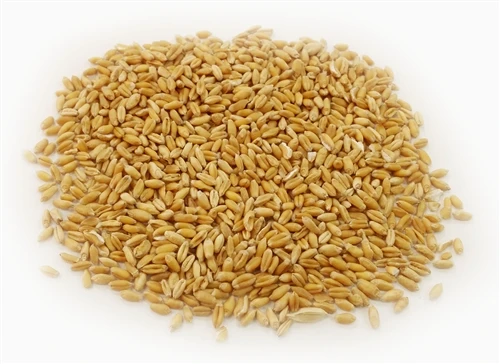
1. Wheat
Wheat is the core element of Ganmai Tea. It helps soothe restlessness, calm inner unease and nourish the mind. Rich in natural nutrients that support nerve relaxation, it effectively reduces frequent waking at night and quiets overthinking, making it easier to fall asleep steadily.
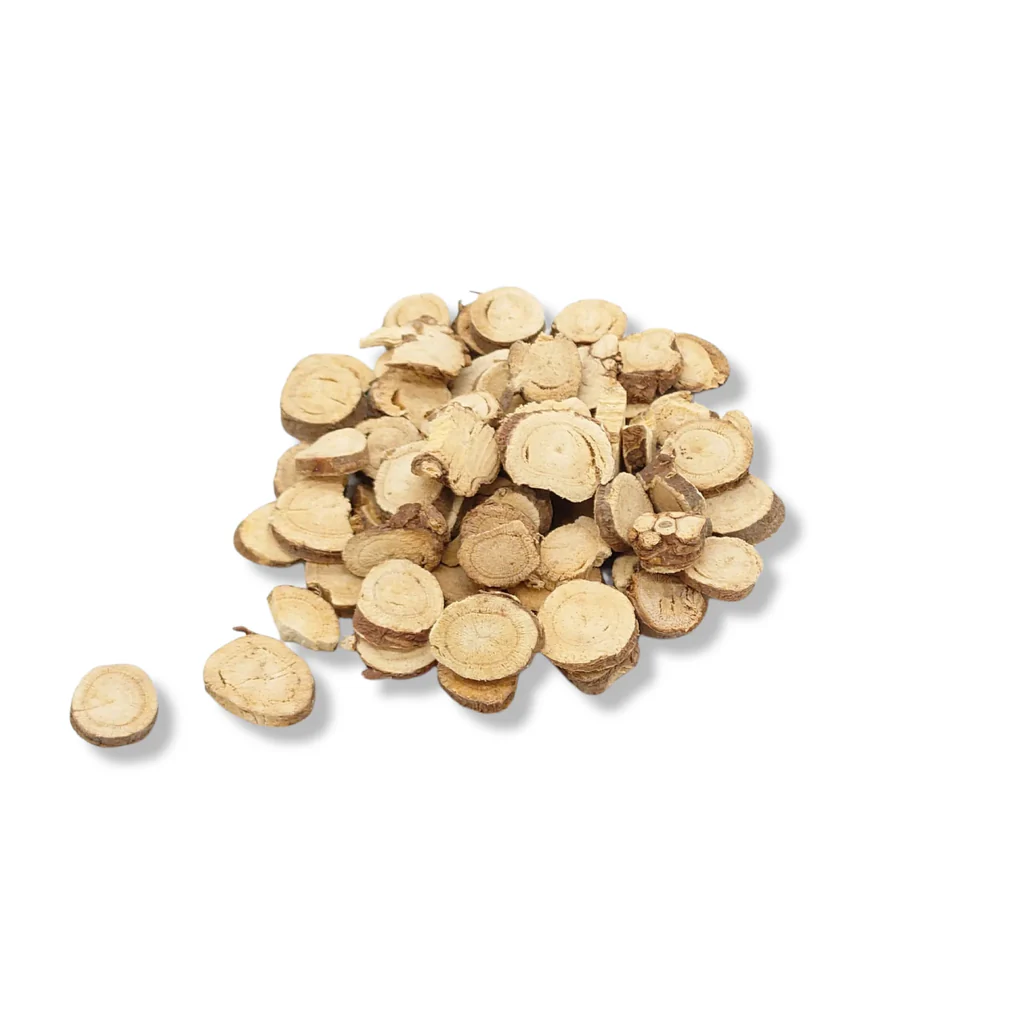
2. Licorice Root (Gan Cao)-Key Adjustment for Body Type
Licorice root is a staple in TCM, prized for its ability to harmonize the body and soothe tension. It enters the Spleen, Stomach, and Heart Meridians, working to replenish qi (vital energy), calm the mind, and ease emotional stress. The glycyrrhizin in licorice root has a mild sedative effect on the nervous system, helping to reduce anxiety and irritability without causing drowsiness during the day. It also balances the flavors of the other ingredients, creating a smooth, mild brew that’s easy to drink.
A practical tip for better results:
- Cold body type: Use roasted licorice (honey-fried licorice). It is warm in nature, warms the stomach and balances cold physique, avoiding cold discomfort during nightly drinking.
- Heat body type: Use raw licorice. It carries a cooling property to clear mild internal heat, reduce irritability, dryness and restless heat that cause difficulty falling asleep.
Choosing the right licorice based on your body condition makes this herbal tea far more suitable and comfortable for long-term daily use.
3. Jujube Dates (Da Zao)
Jujube dates, also known as Chinese dates, are sweet, nutrient-dense fruits that add a natural sweetness to Ganmai Tea—no added sugar needed. In TCM, they are used to nourish the blood and calm the mind, making them perfect for those who struggle with sleep due to stress or fatigue. Rich in iron, vitamin C, and polysaccharides, jujube dates help replenish the body’s energy and promote a sense of calm, while their natural sweetness helps soothe the digestive system and create a comforting, bedtime ritual. For best results, jujube dates are often pitted and split open to release their nutrients more easily during brewing.

How Ganmai Tea Helps You Sleep Better (Science & TCM)
In TCM, poor sleep is often linked to “heart-spleen deficiency” or “liver qi stagnation”—conditions where the heart is not nourished, and the mind is unsettled by emotional stress. Ganmai Tea addresses this by combining the three ingredients to nourish the heart, replenish qi, and soothe the mind, creating a balanced state that allows for restful sleep.
From a modern scientific perspective, the benefits of Ganmai Tea are equally compelling: The tryptophan in floating wheat is a precursor to melatonin, the hormone that regulates the sleep-wake cycle, helping to shorten the time it takes to fall asleep and improve sleep quality.Licorice root contains glycyrrhizin, which has been shown to reduce levels of cortisol—the stress hormone—that often keeps us awake at night. It also has anti-inflammatory properties that can ease physical tension, making it easier to relax.Jujube dates are rich in antioxidants and nutrients that support overall nervous system health, while their natural sugars provide a gentle energy boost that prevents nighttime hunger without spiking blood sugar levels.
Unlike prescription sleep aids or even some herbal teas (like chamomile, which can be overly sedating for some), Ganmai Tea promotes natural, restful sleep. It doesn’t knock you out; instead, it calms your mind and body, helping you drift off gently and wake up feeling refreshed, not groggy. Many people who drink Ganmai Tea regularly report improved sleep quality, fewer nighttime awakenings, and a greater sense of calm throughout the day.
How to Make Ganmai Tea (Step-by-Step Guide)
Making Ganmai Tea at home is simple, and you only need the three core ingredients (easily found online or in Asian grocery stores).
Ingredients:
- 15–30g Floating Wheat (Fu Xiao Mai) – 30g is ideal for a stronger, more nourishing brew
- 6–9g Licorice Root (Gan Cao) – use sliced or whole root for best flavor
- 2-10 Jujube Dates (Da Zao) – pitted and split open (remove pits to avoid a mild “heat” effect)
- 500ml-800ml Water
Traditional Simmering (20–30 minutes)
- Rinse all ingredients thoroughly.
- Place the floating wheat, licorice root, jujube dates, and water in a small pot.
- Bring the water to a boil over high heat, then reduce the heat to low and simmer for 20–30 minutes. This helps extract more nutrients from the ingredients, creating a richer, more effective brew.
- Strain the tea into a cup and drink it warm. You can add a little honey (optional) if you prefer a sweeter taste, though the jujube dates usually provide enough natural sweetness.
Pro Tips for Best Results:
- Drink Ganmai Tea 30–60 minutes before bedtime to give the ingredients time to work their magic. This allows the tryptophan and calming compounds to be absorbed by your body, preparing you for sleep.
- Stick to a consistent routine. Like any natural remedy, Ganmai Tea works best when consumed regularly—try drinking it every night for 1–2 weeks to notice a significant improvement in your sleep quality.
- Use high-quality ingredients. Look for organic floating wheat, licorice root, and jujube dates to avoid pesticides and ensure the best flavor and effectiveness.
- Avoid drinking Ganmai Tea with caffeine (like coffee, black tea, or energy drinks) in the evening, as this can counteract its calming effects.
Who Should Drink Ganmai Tea (and Who Should Avoid It)?
Ganmai Tea is gentle and safe for most people, but it’s important to know if it’s right for you. It’s especially beneficial for:
- People who struggle with insomnia, difficulty falling asleep, or frequent nighttime awakenings due to stress, anxiety, or overthinking.
- Those with mild to moderate anxiety or emotional tension (often linked to work stress, family pressure, or life changes).
- Menopausal women experiencing hot flashes, irritability, or sleep disturbances—Ganmai Tea helps balance hormones and soothe emotional fluctuations.
- Anyone looking for a natural alternative to sleep aids or sedatives, without the risk of dependency or side effects.
While Ganmai Tea is generally safe, there are a few groups who should avoid it or consult a healthcare provider before drinking:
- People with severe insomnia or underlying sleep disorders (like sleep apnea)—Ganmai Tea is a complementary remedy, not a replacement for medical treatment.
- Those with yin deficiency with internal heat (symptoms include dry mouth, night sweats, and irritability)—the warm nature of jujube dates and licorice root may worsen these symptoms.
- People with digestive issues like bloating or loose stools—the nourishing, slightly sweet ingredients may加重 (worsen) these symptoms.
- Diabetics—jujube dates are naturally sweet, so monitor your blood sugar levels and reduce the number of dates if needed (or replace with goji berries).
- Pregnant or breastfeeding women, and those taking prescription medications (especially blood pressure or antidepressant drugs)—consult a doctor before adding Ganmai Tea to your routine to avoid interactions.
Why Ganmai Tea Beats Other Sleep Teas
There are many herbal teas marketed for sleep—chamomile, valerian root, lavender, and passionflower, to name a few. But Ganmai Tea stands out for a few key reasons:
It has a long history of use: For over 2,000 years, Ganmai Tea has been trusted in TCM to calm the mind and promote sleep. Its safety and effectiveness have stood the test of time, making it a reliable natural remedy.
It’s gentle, not sedating: Unlike valerian root (which can cause drowsiness and grogginess) or chamomile (which may be too mild for some), Ganmai Tea calms the mind without making you feel “knocked out.” It promotes natural sleep, so you wake up feeling refreshed, not foggy.
It addresses the root cause: Most sleep teas only target symptoms (drowsiness), but Ganmai Tea nourishes the body and calms the mind, addressing the stress and emotional tension that often cause poor sleep in the first place.
It’s versatile and tasty: With its natural sweetness from jujube dates, Ganmai Tea is enjoyable to drink—no bitter aftertaste like some herbal teas. It’s also easy to customize (add a slice of ginger for extra warmth, or a pinch of cinnamon for flavor).
In a world that never slows down, it’s easy to let stress and busyness steal our sleep. Brew a cup of warm Ganmai Tea, and let its subtle, comforting flavors guide you to the rest you deserve. Ganmai Tea isn’t just a drink—it’s a small, intentional ritual to end your day: a moment to put down your phone, take a deep breath, and let go of the day’s tension. It doesn’t promise instant sleep, but over time, you’ll notice the difference: calmer evenings, easier nights, and mornings that feel bright and energized.
#GanmaiTea #HerbalTeaForSleep #NaturalSleepRemedy #TraditionalChineseMedicine #SleepHealth #CalmTea #InsomniaRelief #HerbalSleepTea